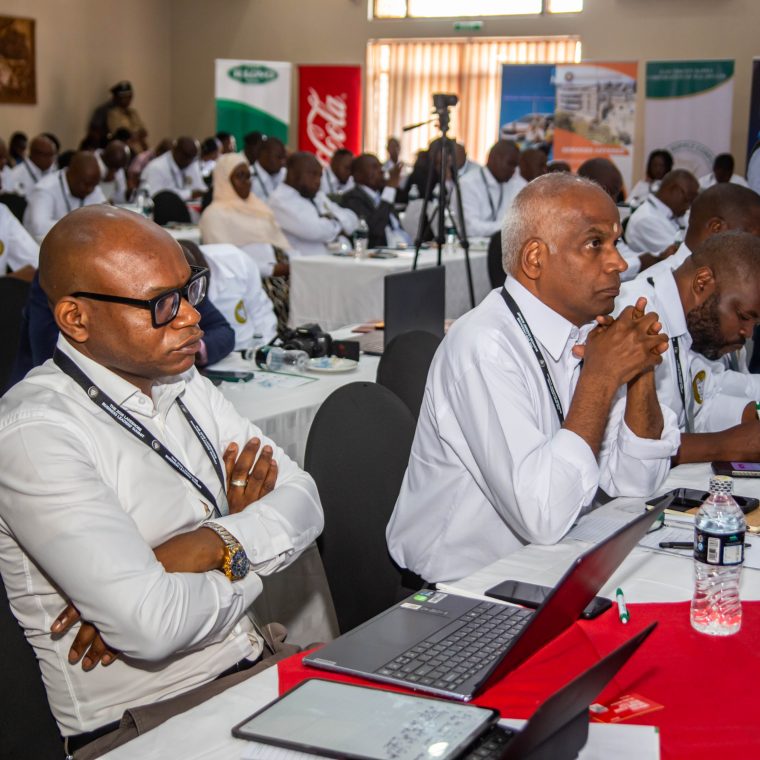

The 2026 Lakeshore Business Leaders’ Summit turned into a crucible of ideas as over 200 delegates from government, private sector and development partners engaged in policy engagement sessions designed to chart Malawi’s path toward an export-led economy.
The breakaway sessions structured around four thematic areas Agriculture, Irrigation and Water Development; Energy and Mining; Industrialisation, Business, Trade and Tourism; and Cross-Cutting Issues — provided a platform for frank exchanges between policymakers and business leaders.
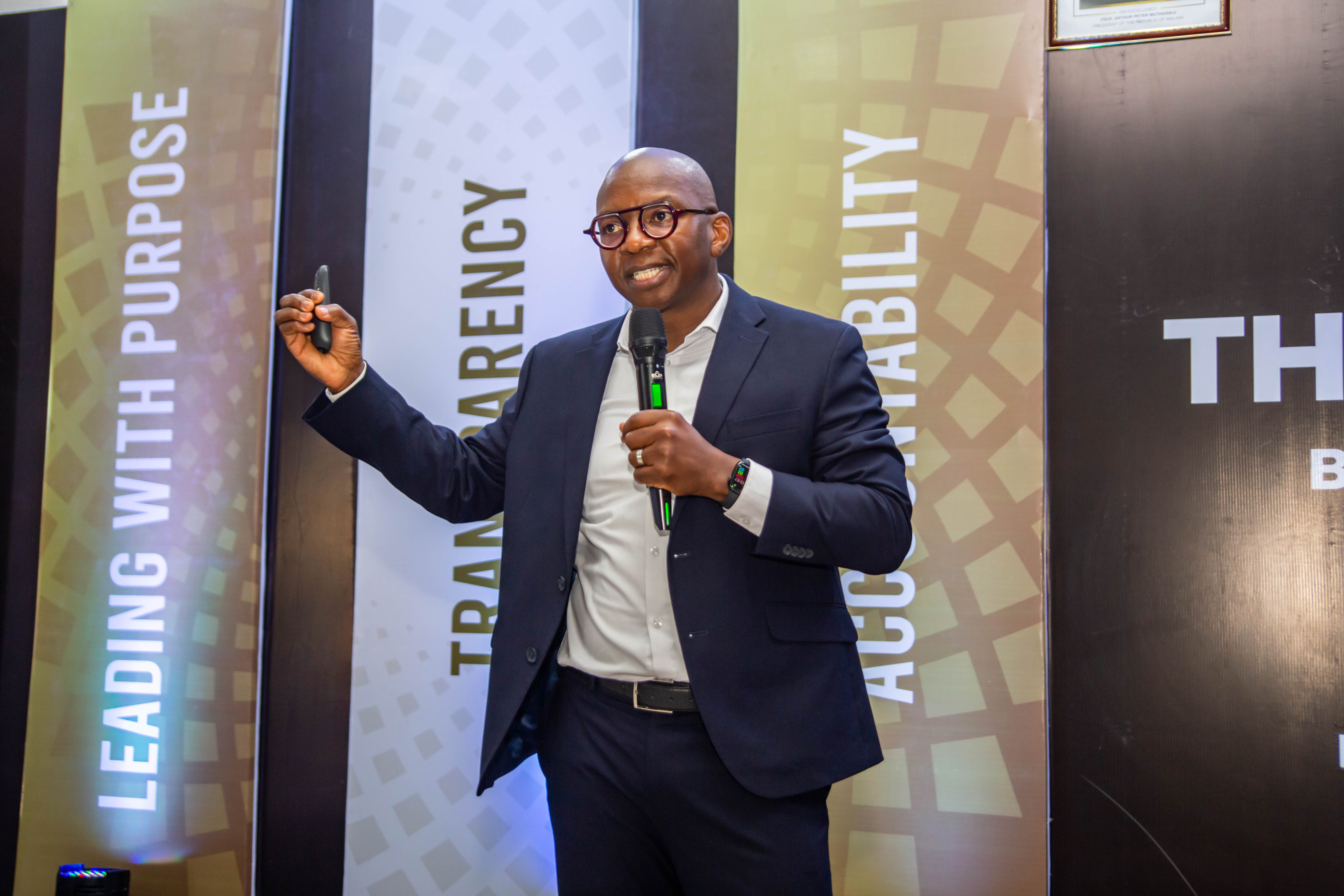
Under the Agriculture, Irrigation and Water Development session delegates agreed that Malawi’s agricultural sector must move beyond subsistence farming. The session anchored by Illovo Managing Director Ronald Ngwira stressed the need for investment in irrigation infrastructure, mechanisation, and agro-processing.
“Malawi cannot continue to export raw commodities,” Ngwira said. “We must deliberately invest in processing and branding to compete regionally.”
Participants called for predictable policies on land tenure and incentives for agribusiness, noting that agriculture remains the backbone of the economy but is underperforming in exports.
In the Energy and Mining session, led by NICO Capital Chief Executive Officer Misheck Esau, delegates highlighted the crippling effect of unreliable power supply on industrial growth. Delegates pressed for accelerated investment in renewable energy and reforms to attract private capital into mining.
“Without reliable energy, industrialisation is just a slogan,” one participant remarked. The session concluded with a recommendation for government to streamline licensing in mining and ensure transparency in energy projects.
Facilitated by NBS Bank Chief Executive Officer Temwani Simwaka, the Industrialisation, Business Trade and Tourism focused on Malawi’s competitiveness in regional and continental trade blocs. Delegates urged government to reduce bureaucratic bottlenecks at borders, harmonise standards with SADC and COMESA, and incentivise manufacturing.
Tourism was also flagged as an underutilised sector. “We must brand Malawi as a destination, not just a transit point,” Simwaka said, noting that tourism could complement trade by showcasing Malawi’s culture and natural assets.
In the Cross-Cutting Issues Session delegates warned that frequent policy reversals discourage investment. They recommended the establishment of a joint monitoring framework between government and MCCCI to track implementation of agreed reforms.
Minister of Industrialisation, Business Trade and Tourism Simon Itaye attended the sessions, fielding tough questions from delegates. He acknowledged the private sector’s frustrations but assured participants that government is committed to reforms. “We hear you,” he said. “We are working to align our policies with the realities of business.”
The policy engagement sessions concluded with a consolidated call for Malawi to transform into an export-led economy, anchored on agriculture, energy reliability, industrialisation, and governance reforms. Delegates agreed that the private sector must take bold steps in diversifying export markets, while government must provide the enabling environment.